
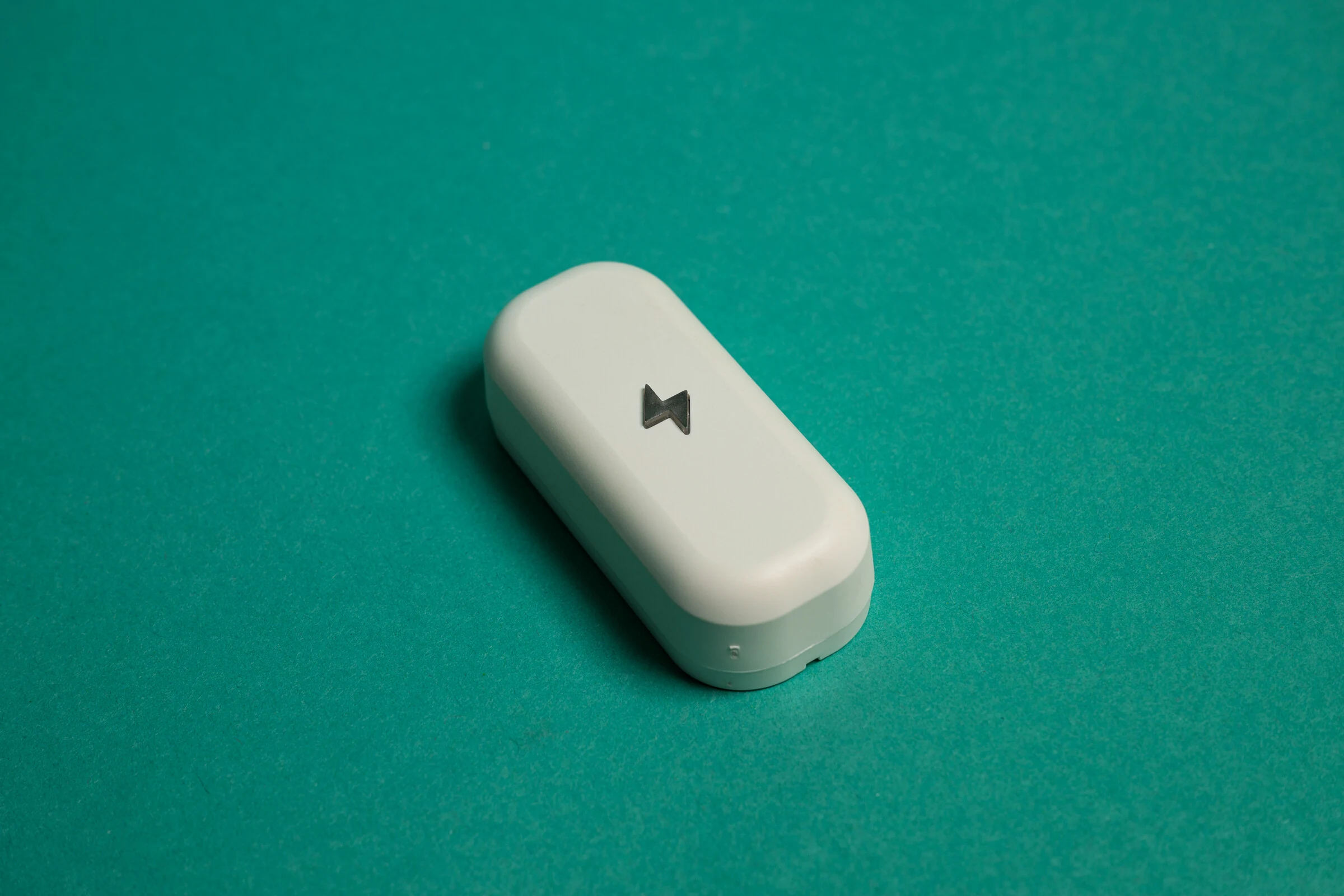
1. Which electricity meters is it compatible with?
Start with the electricity meters used by the customers you want to reach, including those outside your own grid area. The supplier should be able to specify which models and ports are supported and whether you need different versions of the real-time meter. Also check what happens if the customer already has equipment connected to the port.
2. How does the real-time meter connect to the internet?
A solution that uses the customer’s Wi-Fi needs to work where the electricity meter is actually located. Review the connectivity requirements and the options available when coverage is insufficient. This will help you assess which customers you can offer the meter to and what they need to arrange at home.
3. Where is the meter developed and assembled?
If Swedish origin matters to you, find out exactly what the supplier means by it. A meter may be developed in Sweden but assembled elsewhere. You need to know what you are choosing and be able to describe it accurately to your customers.
4. What service will the customer use?
Look at the offering as the customer will experience it: which app they open to see their consumption and whose brand they see. If real-time readings appear in a different app from your other services, consider how that fits the customer relationship you want to build.
5. How does the customer receive the meter and get started?
Order a meter and try unpacking and connecting it yourself. You will soon see whether the packaging and instructions guide the customer all the way to their first readings. Also establish whether the supplier ships directly to customers or whether you need to store and distribute the meters yourselves.
6. What can the customer do with the readings?
Some customers simply want to track consumption and see when it rises. Others want an alert or a service that automatically controls their EV charging, for example. Start with the benefit you want to offer and ask the supplier to demonstrate how the functions work in practice, including what customers need to do themselves.
7. What does the meter and its associated service cost?
Compare the cost of the full offering you want to provide. Alongside the meter itself, you need a clear picture of any recurring fees and paid extras. The information should be detailed enough to assess the economics of your offering, whether customers buy the meter separately or receive it as part of a contract.
8. What can customer service see?
Take a typical customer enquiry: “My meter has stopped showing readings.” Ask the supplier to demonstrate what information your customer service team can see about the meter and other connected devices, and how it helps them understand what has happened.
9. Who is responsible for keeping the whole service working?
If the meter, app and control functions come from different suppliers, you need to know who coordinates the response when something stops working. That applies even before anyone knows where the fault lies. With an integrated offering, it should be just as clear what the supplier handles and what support your customer service team receives.
10. How does the meter develop alongside the rest of the offering?
You may start with real-time readings and want to offer more functions later. The meter, app and services then need to develop together. Find out whether one supplier controls the whole offering or whether several suppliers’ roadmaps need to be coordinated. Distinguish between what works today and what is still planned, and check what future additions may require of the customer’s existing equipment.